
Blog
Why Handmade Chocolates Taste Better Than Factory Chocolate

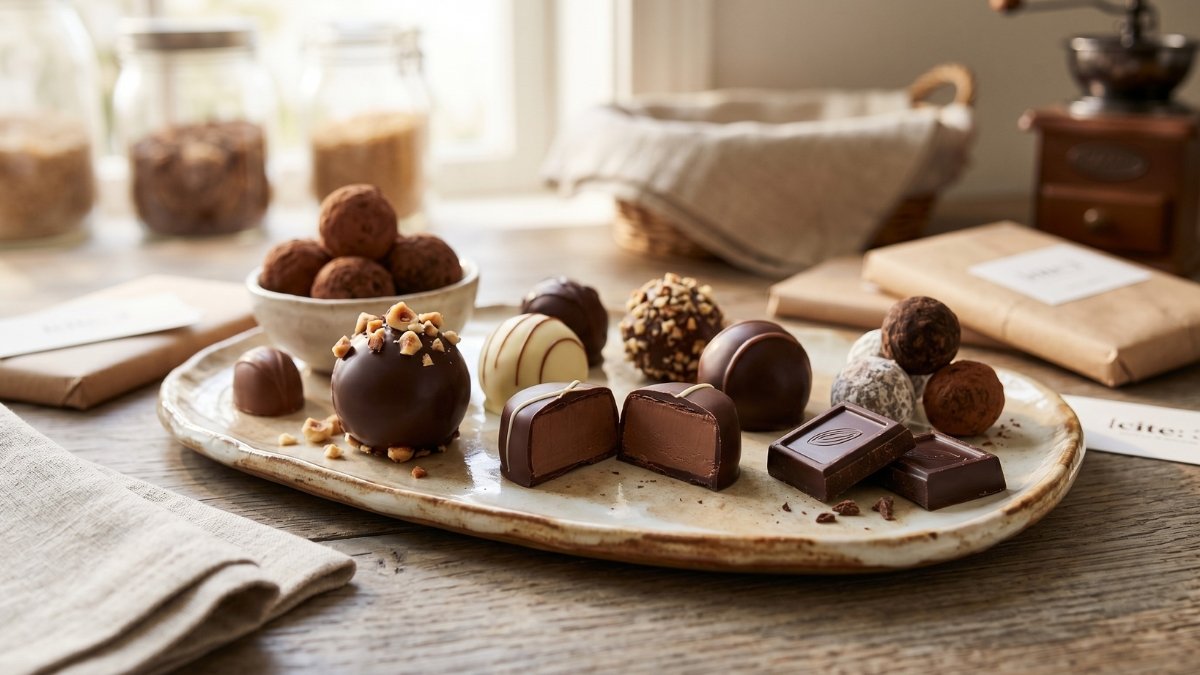
A good piece of chocolate does more than taste sweet. It melts smoothly, releases aroma slowly, and leaves behind a rounded flavour instead of a flat one. That is why many people say handmade chocolates taste better than the boxed chocolates sitting on a supermarket shelf.
The difference is not only about romance or presentation. Handmade chocolates often benefit from fresher ingredients, smaller batches, careful finishing, and more attention to texture. Mass-produced chocolates can be enjoyable, but they are usually designed for consistency, shelf life, and large-scale distribution.
So what actually changes the flavour? Let’s break it down in a practical way.
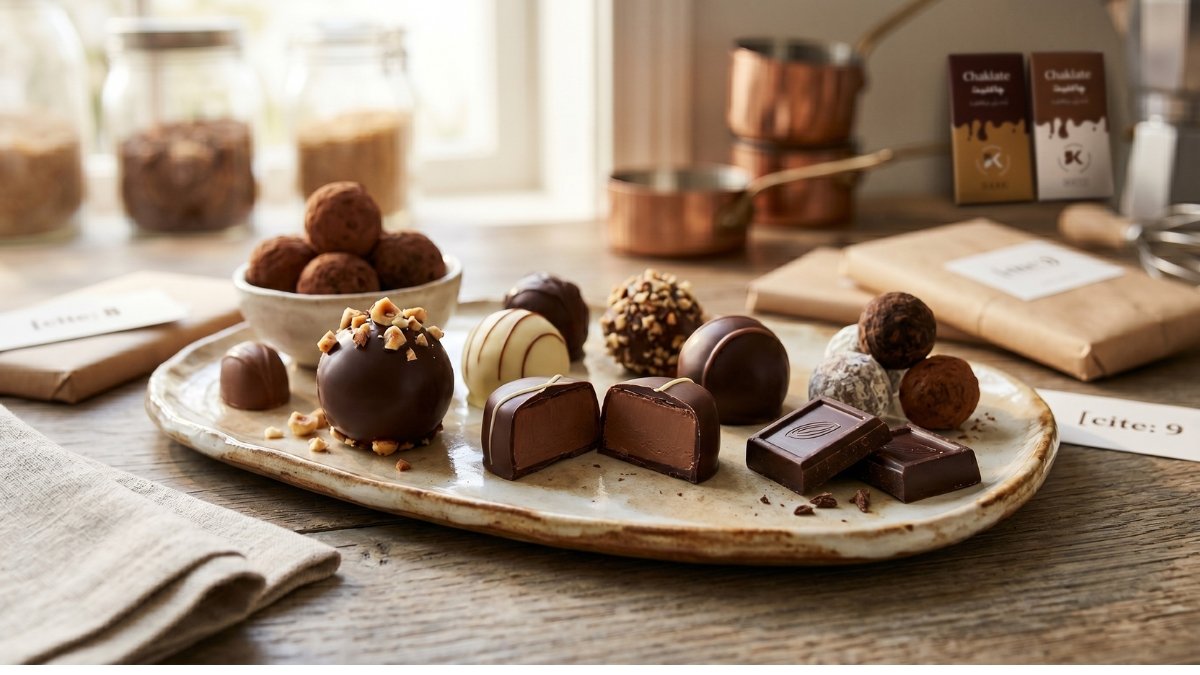
Handmade pieces often show natural variation.
What Makes Handmade Chocolate Different?
Handmade chocolate does not always mean every step happens without tools. A professional chocolatier may still use tempering machines, moulds, melters, or cooling equipment. The real difference is that a person is guiding the process closely.
That may include selecting chocolate, preparing fillings, dipping pieces, decorating bonbons, cutting bark, adding toppings, checking texture, and rejecting pieces that do not meet the right standard.
Mass-produced chocolate works differently. It is made for scale. Large factories rely on automated systems to create the same shape, flavour, texture, and shelf-stable product again and again. That consistency is useful, but it can also make the final chocolate taste more predictable.
Handmade chocolate has more room for variation, creativity, and freshness. Those qualities often make the eating experience feel more memorable.
Why Handmade Chocolates Taste Better
The reason handmade chocolates taste better usually comes down to four things: ingredients, process, freshness, and balance.
Better Ingredients Create Cleaner Flavor
High-quality handmade chocolates often start with better chocolate, real cocoa butter, fresh cream, nuts, fruit, spices, vanilla, caramel, or ganache. When the ingredient list is shorter and more recognisable, the flavour can feel cleaner.
Mass-produced chocolates may use more stabilisers, artificial flavours, or lower-cost fats depending on the product. That does not automatically make them bad, but it can change the mouthfeel. Some chocolates taste waxy or overly sweet because the fat, sugar, and flavour balance is built for durability rather than depth.
Good handmade chocolate usually lets cocoa flavour come through. You may notice notes that feel fruity, nutty, roasted, floral, creamy, or caramel-like. These are the kinds of details that disappear when sugar becomes the main flavour.
Small Batches Give Chocolatiers More Control
Chocolate is sensitive. Temperature, humidity, timing, and handling all affect the final result.
Tempering is one of the biggest examples. Properly tempered chocolate looks glossy, breaks with a clean snap, and melts smoothly. When tempering is rushed or poorly controlled, chocolate may look dull, feel soft, or develop a grainy texture.
In small batches, a chocolatier can adjust as needed. They can watch the texture, test the set, correct small issues, and finish each piece carefully. Factory production can be highly precise, but it is usually optimised for speed and repeatability. Handmade production is more flexible.
That flexibility is one reason artisan chocolate can feel more alive on the palate.
Fresh Fillings Make a Noticeable Difference
Many handmade chocolates are not just solid pieces of chocolate. They may include ganache, praline, caramel, fresh fruit, roasted nuts, cream-based fillings, liqueur infusions, or seasonal flavours.
Fresh fillings matter. A raspberry ganache made recently will taste brighter than a shelf-stable fruit-flavoured filling designed to last for months. Fresh cream caramel can feel silkier than a mass-produced centre built to survive long shipping and storage times.
This is especially true for truffles and filled bonbons. The chocolate shell matters, but the centre often carries the emotional part of the bite.
Handmade Chocolate Is Often Better Balanced
Mass-produced chocolate is commonly built around broad appeal. That often means sweetness comes first. Handmade chocolate can be more balanced because the maker is not trying to satisfy every possible customer at once.
A chocolatier may pair dark chocolate with sea salt, milk chocolate with toasted hazelnut, white chocolate with citrus, or caramel with bitter cocoa nibs. These combinations create contrast. Sweetness feels better when it has bitterness, acidity, salt, creaminess, or crunch beside it.
That balance is one of the clearest reasons handmade chocolates taste better to people who enjoy layered flavour.
Handmade vs Mass-Produced Chocolate
| Feature | Handmade Chocolates | Mass-Produced Chocolates |
|---|---|---|
| Production style | Small batch, closely handled | Large-scale, automated |
| Flavor goal | Depth, freshness, creativity | Consistency and broad appeal |
| Texture | Often smoother and more varied | Usually uniform |
| Ingredients | Often fresher and more recognizable | May include more stabilisers or flavourings. |
| Appearance | Slight natural variation | Highly identical pieces |
| Fillings | Seasonal, fresh, or creative | Shelf-stable and standardized |
| Best for | Gifts, special treats, premium tasting | Everyday snacking and convenience |
The point is not that every handmade chocolate is perfect or every factory chocolate is poor quality. A skilled large producer can make excellent chocolate, and a careless small producer can make average chocolate.
The real difference is priority. Handmade chocolate usually prioritises craft, freshness, and sensory detail. Mass production usually prioritises consistency, price, shelf life, and availability.
What Most People Miss About Chocolate Flavor
Many people judge chocolate by sweetness alone. Better chocolate is more complex than that.
Flavour starts long before the chocolate reaches a shop. Cacao variety, growing region, fermentation, drying, roasting, grinding, conching, and tempering all shape the final taste. Even small choices can change whether chocolate tastes fruity, earthy, nutty, bitter, floral, smoky, or creamy.
This is where handmade and artisan chocolate can shine. Smaller makers often choose chocolate for a specific flavour profile rather than using one standard base for everything. They may also design fillings around the chocolate instead of hiding the chocolate under sugar.
The best handmade chocolates do not just taste “more expensive”. They taste more intentional.
How to Choose Better Handmade Chocolates
Use a few simple checks before buying.
First, read the ingredient list. Look for recognisable ingredients such as cocoa mass, cocoa butter, sugar, vanilla, cream, nuts, fruit, or spices. A long list is not always bad, especially for filled chocolates, but it should make sense.
Second, check freshness guidance. Handmade truffles and cream-filled chocolates often have shorter freshness windows. That is normal. It usually means they were made for flavour rather than long storage.
Third, look at appearance. Glossy chocolate, clean edges, careful decoration, and natural variation are good signs. Handmade pieces do not need to look identical, but they should look intentional.
Fourth, think about the occasion. For a casual movie night, a supermarket bar may be enough. For a birthday, thank-you gift, holiday box, anniversary, client gift, or dinner party, handmade chocolate brings more personality.
A simple checklist:
- Choose chocolates with clear ingredient information.
- Look for freshness or storage guidance.
- Match flavour intensity to the recipient.
- Pick assorted boxes when you are unsure.
- Store chocolate away from heat, light, and strong odours.
- Eat fresh truffles sooner than solid bars.
Expert Insight
The biggest flavour advantage of handmade chocolate is not one single ingredient. It is the way many small decisions add up.
A chocolatier can choose a better chocolate base, adjust fillings, temper carefully, decorate by hand, and sell the product closer to the time it was made. None of those steps has to be dramatic on its own. Together, they create a chocolate that feels fresher, smoother, and more personal.
That is why handmade chocolates taste better for many people. The flavour is not only manufactured. It is shaped.